

A Glimpse into the Soul of a Vibrant and Diverse Society with Kathak
- Prerona Sen
- Mar 13, 2024
- 3 min read

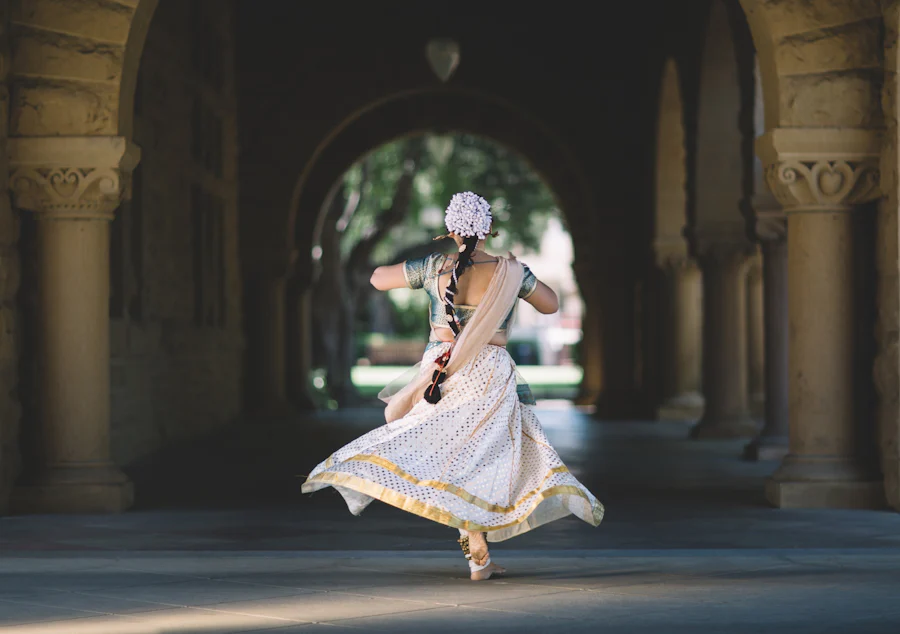
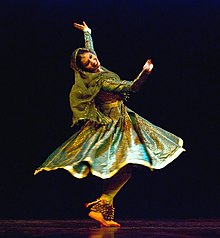
Kathak, one of the eight classical dance forms of India, has its roots deeply embedded in the cultural and historical fabric of the Indian subcontinent. Originating from the word "katha," which means story, Kathak began as a form of storytelling in ancient India, evolving over centuries into a sophisticated dance form. Its origins can be traced back to the nomadic bards of ancient northern India, known as Kathakars or storytellers, who traveled from village to village narrating tales from Hindu epics such as the Ramayana and Mahabharata. Over time, these storytelling traditions merged with elements of temple rituals, devotional practices, and Persian influence from the Mughal courts, resulting in the rich and diverse art form known as Kathak.This dance form is characterized by intricate footwork, graceful hand movements, expressive facial expressions, and rhythmic patterns. It is traditionally performed in both solo and group settings, accompanied by live music featuring instruments such as the tabla, sitar, sarangi, and harmonium. While Kathak has undergone various transformations throughout history, it remains a vital and vibrant expression of Indian culture, captivating audiences worldwide with its blend of storytelling, rhythm, and grace.
During the Bhakti movement, Kathak found a new expression of devotion. The dance incorporated stories and themes around Krishna, a beloved Hindu god. Bhakti poetry, filled with emotional verses about love for the divine, also became part of Kathak performances. Uniquely, Kathak transcended religious boundaries. It thrived in both Hindu and Muslim courts, even incorporating elements from Mughal rule. This exchange resulted in a rich artistic tapestry, showcasing the beauty of cultural fusion. North Indian kingdoms and the Mughal era significantly shaped Kathak. The emperors were patrons of this art form, fostering its development within their courts. Kathak became a sophisticated form of entertainment, evolving to incorporate graceful movements, expressive gestures, and a more sensuous style. The Mughal influence is evident in Kathak's inclusion of Urdu ghazals (poetry) and instruments introduced during that period. This unique blend makes Kathak the only classical Indian dance form to embrace Persian elements.
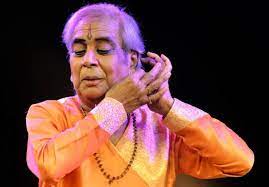
This classical Indian dance form, has been enriched and shaped by numerous influential dancers throughout its history. Among them, few stand as towering figures whose contributions have immensely influenced the evolution of Kathak. One of them, Pandit Birju Maharaj was born into a family deeply rooted in Kathak tradition, Maharaj received training from his father and later honed his skills under the guidance of his uncles, Lachhu Maharaj and Shambhu Maharaj. His mastery over intricate footwork, graceful movements, and emotive expressions has mesmerized audiences worldwide. Not only did Pandit Birju Maharaj preserve the traditional repertoire of Kathak, but he also innovated by incorporating elements of other dance styles, thus ensuring the art form's relevance and dynamism in contemporary times. Another luminary in the world of Kathak is Sitara Devi, celebrated for her unparalleled energy, spontaneity, and charisma on stage. Born into a family of performers, Sitara Devi displayed extraordinary talent from a young age, captivating audiences with her electrifying performances. Her style was characterized by lightning-fast footwork, effortless pirouettes, and a captivating stage presence. Sitara Devi's contributions to Kathak extended beyond her performances; she played a pivotal role in popularizing the dance form, both nationally and internationally. Through her innovative choreography and charismatic persona, Sitara Devi left an indelible mark on Kathak, inspiring generations of dancers to embrace its rich heritage while pushing the boundaries of artistic expression.
Kathak, with its rich history and intricate movements, stands as a testament to the cultural heritage of India. Through its graceful expressions, rhythmic footwork, and emotive storytelling, Kathak transcends mere dance, becoming a profound form of artistic expression that captivates audiences worldwide. As dancers weave tales of love, devotion, and spirituality, they not only entertain but also educate, preserving traditions and fostering cultural understanding. In its essence, Kathak embodies the beauty of human creativity and the power of tradition.


Comments