

A Journey to the Khajuraho Dance Festival
- Pranay Reddy
- Apr 4, 2024
- 5 min read

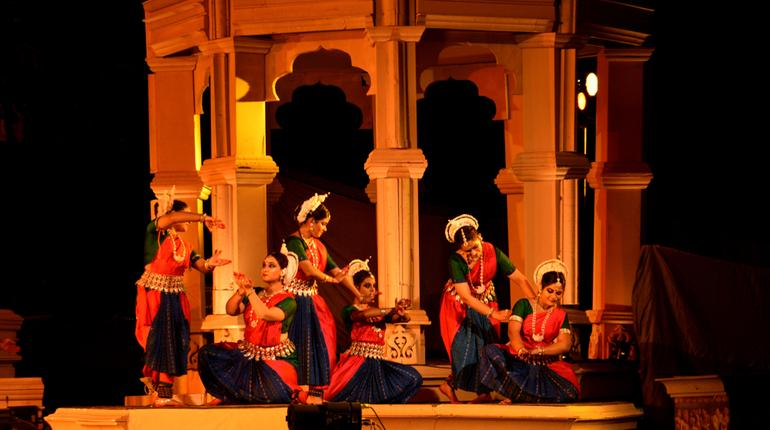
As the winter's grip loosens its hold in late January, a nascent yearning for spring stirs within us. We yearn to shed the warmth of our cozy havens and step onto the vibrant stage of a new season. This transition ushers in the reign of the most captivating season, spring, and with it arrives the opportunity to immerse yourself in a captivating display of Indian culture – the Khajuraho Dance Festival.
This magnificent spectacle unfolds amidst the backdrop of the intricately carved walls of ancient Hindu and Jain temples, renowned for their artistic brilliance and occasionally, their erotic sculptures. The 2021 edition of the Khajuraho Dance Festival enthralled audiences from February 20th to 26th, igniting a cultural spark that resonated across borders.
Stepping into the medieval city of Khajuraho feels like entering a world suspended in time, a world where a unique fusion of influences reigns supreme. The air thrums with the echoes of India's classical past, the rhythmic steps of dancers, the heady fragrance of incense, and the majesty of towering walls. The sprawling landscape, dotted with whispering flora and crisscrossed by gurgling brooks, adds another layer of enchantment to this gem of Madhya Pradesh tourism, a place that embodies the very essence of "Incredible India."
A Glimpse into Khajuraho's Rich History
The history of Khajuraho stretches back to a glorious period between the 10th and 12th centuries, during the reign of the Chandela monarchs. While delving deep into the intricacies of medieval Indian history might be beyond the scope of this exploration, it's important to acknowledge the Khajuraho Group of Monuments, a UNESCO World Heritage Site and one of the seven wonders of India. These monuments stand as a testament to the architectural prowess of the Chandela era and are a major tourist draw for Madhya Pradesh.
Originally, a staggering 85 temples graced the landscape, meticulously built over a period of 200 years. The artistry of the Chandela artisans is evident in the exquisite sculptures, some of which depict erotic scenes. Over time, the relentless march of decades has reduced this number to 25, each temple a magnificent example of Indian architectural styles, standing proudly amidst the sprawling landscape.
A Fusion of Classical Music and Dance
The year 2002 witnessed the birth of a rich cultural tradition – the Khajuraho Dance Festival. This vibrant celebration brings together a dazzling display of diverse Indian attire, rhythmic footwork, and captivating melodies. From the graceful movements of Kathak to the expressive power of Bharatanatyam and the poetic essence of Odissi, the festival encompasses a vast spectrum of Indian classical dance forms. Kuchipudi, Manipuri, and Kathakali further enrich the tapestry, making the Khajuraho Dance Festival a remarkable showcase of India's rich musical heritage.
Organized by the Madhya Pradesh Kala Parishad, the festival features world-renowned dancers who weave their magic against the breathtaking backdrop of the magnificently illuminated Khajuraho temples. The experience is transformative, offering a window into a world both ancient and captivating. For some, it's a journey of discovery, while for others, it's a chance to pay homage to a cherished tradition.
The 2021 edition of the Khajuraho Dance Festival presented an opportunity to rediscover the vibrant colors and captivating sounds of Indian music and dance, elements that often get lost in the modern world. Beyond the mesmerizing dance performances, the festival offered a plethora of other programs, including:
Art Mart: A vibrant marketplace showcasing Indian arts and crafts.
Kalavrita: A forum for discussions on diverse cultural traditions.
Hunar: A platform to witness the artistic talents of local communities.
Chal Chitra: A series of films and presentations exploring the world of art and cultural traditions.
Samishti: An exhibition showcasing the beauty of terracotta and ceramic art.
Swad: A chance to savor the authentic flavors of Bundeli cuisine.
Exploring the Environs of Khajuraho
A visit to Khajuraho, particularly during the Khajuraho Dance Festival, would be incomplete without venturing beyond the festival grounds. The city's rich history beckons exploration, and the elaborate depictions of medieval life on the temple walls can spark the imagination. Perhaps, these depictions might even evoke a sense of nostalgia, a link to those "good old college days" filled with tales of yore.
For those seeking a deeper glimpse into history, the Kandariya Mahadeva Temple is a must-visit. This magnificent structure houses the largest collection of erotic sculptures and a marble linga representing Lord Shiva. The Chitragupta Temple, dedicated to the Sun God, offers a glimpse into the past through its intricate carvings depicting processions, dancing girls, elephant fights,and hunting scenes. Each temple within the Khajuraho complex offers a unique perspective, a testament to the artistic mastery of the Chandela era.
Beyond the Festival: Exploring the Region
Khajuraho's captivating aura extends far beyond the confines of the festival. The surrounding region offers a treasure trove of sights and experiences for the discerning traveler. Here are some captivating destinations to add to your itinerary:
Kanha National Park: Just a nine-hour drive away lies Kanha National Park, a haven for wildlife enthusiasts. Home to a diverse range of animals, including the majestic Bengal tiger and the elusive Indian leopard, Kanha offers an unforgettable encounter with nature.
Sanchi Stupa: Journey to Sanchi, near Bhopal, and marvel at the Sanchi Stupa, the oldest stone structure in India. This UNESCO World Heritage Site is a masterpiece of Buddhist architecture, adorned with intricate carvings depicting stories from the life of Buddha.
Orchha: Steeped in rich history, Orchha is a Hindu pilgrimage site nestled near Jhansi. Explore its magnificent palaces and temples, each whispering tales of a bygone era.
Gwalior Fort: History buffs cannot miss the imposing Gwalior Fort, perched atop a massive sandstone hill in Gwalior City. This ancient fortress, boasting a blend of Hindu and Mughal architectural styles, offers breathtaking views and a fascinating glimpse into the region's turbulent past.
Planning Your Khajuraho Adventure
Khajuraho beckons travelers seeking a confluence of culture, tradition, and heritage. Nestled in the heart of Madhya Pradesh, this ancient city is easily accessible by air, road, and rail.
By Air: Khajuraho boasts its own airport, connecting it to domestic hubs like Agra, New Delhi, and Varanasi. Flying offers a convenient and time-saving option for reaching Khajuraho.
By Rail: The nearest major railhead is Jhansi, approximately 177 kilometers away. Mahoba, located 77 kilometers away, offers another rail option. Trains provide a more budget-friendly way to reach Khajuraho.
A Festival of Enchantment
The Khajuraho Dance Festival is an invitation to immerse yourself in the vibrant tapestry of Indian culture. It's a chance to witness the graceful movements of classical dance forms, to be transported to a bygone era through intricate temple carvings, and to savor the delectable flavors of local cuisine. Whether you're a seasoned traveler or embarking on your first cultural adventure, Khajuraho promises an experience that will linger long after the curtain falls on the festival. So, pack your bags, embrace the spirit of discovery, and embark on a journey to this enchanting corner of India.


Comments