

A Legacy of Power and Splendor in the Mughal Heart
- Prerona Sen
- Mar 23, 2024
- 4 min read

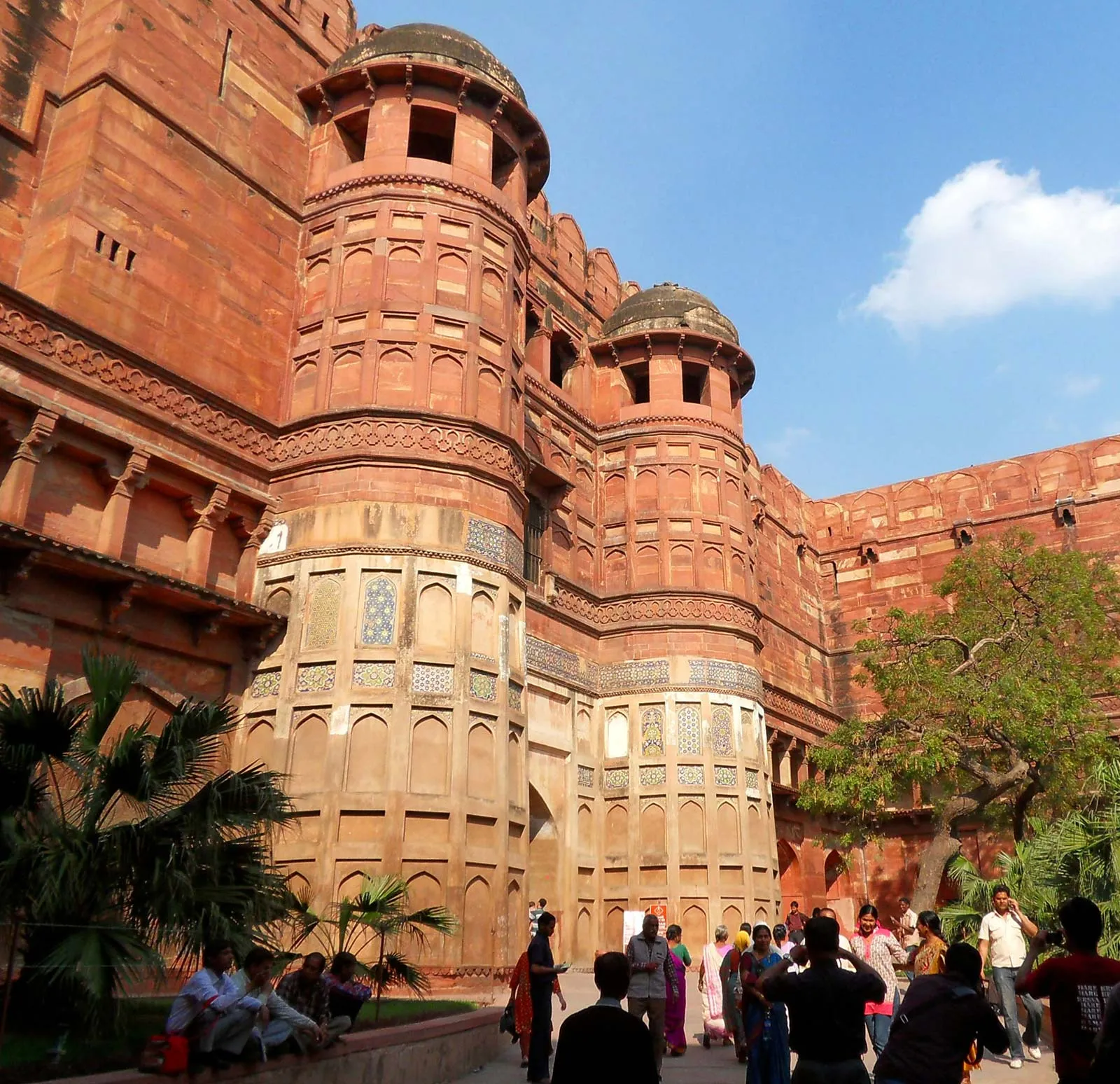

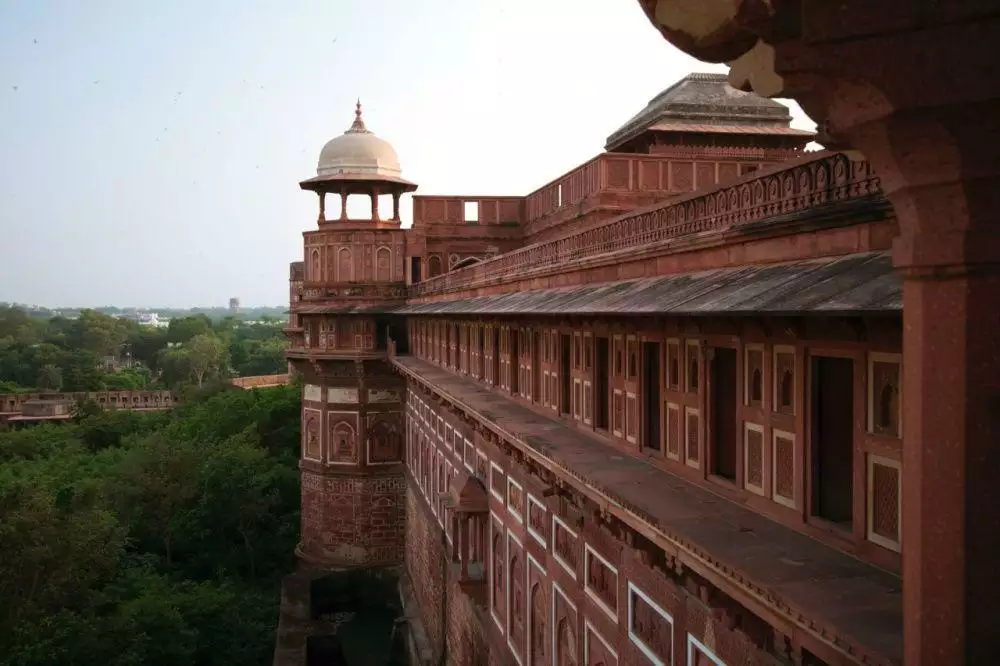
Agra, Uttar Pradesh, boasts not just one, but two iconic Mughal marvels. While the Taj Mahal mesmerizes with its ethereal beauty, the Agra Fort, also known as the Red Fort of Agra, stands as a testament to a bygone era of imperial might and architectural brilliance.
The Agra Fort's story begins much earlier than the Mughal era. Its earliest known mention dates back to the 11th century, when a mud fort named Badalgarh stood on the site. Over the centuries, the fort witnessed ownership by various dynasties, including the Tomars, the Chauhans, and the Lodhis. In 1526, the Mughal emperor Babur captured Agra and laid the foundation for the transformation of the fort. However, it was his grandson, Akbar, the third Mughal emperor, who truly gave the Agra Fort its present form.
Akbar, renowned for his administrative acumen and artistic sensibilities, embarked on a massive reconstruction project in 1558. Spanning nearly a decade, the project saw the construction of magnificent palaces, audience halls, mosques, and gardens, all built in the signature red sandstone that defines the fort today.
The Agra Fort is a captivating example of Mughal architectural prowess. Red sandstone, intricate carvings, white marble accents, and geometric patterns come together to create a stunning visual symphony. The Akbar's Gate (Akbar Darwaza) is a sandstone gateway, adorned with intricate carvings, serves as the main entrance to the fort. The Jahangir's Palace (Jahangiri Mahal) was built by Akbar for his son Jahangir, this palace showcases a beautiful blend of Mughal and Hindu architectural styles. Its ornamental ceilings and pietra dura inlay work are exquisite examples of Mughal craftsmanship.
Diwan-i- عام (Hall of Public Audience) is a vast courtyard where the emperor held court and met with commoners. Diwan-i- Khas (Hall of Private Audience) is a more intimate space used for meetings with dignitaries and foreign ambassadors. Mcheli Bhawan (Fish House) was a unique palace built on an island within the fort complex, featuring a central pavilion and reflecting pool.
The Agra Fort wasn't just a magnificent residence; it was the political and military center of the Mughal Empire for nearly a century.
From Akbar to Shah Jahan, the Agra Fort served as the primary residence of Mughal emperors. Important decisions were made within its walls, shaping the course of Mughal history. The fort's formidable walls and strategic location on the banks of the Yamuna River made it a crucial military stronghold. The fort has been witness to significant events, including the coronation of emperors, imprisonment of rivals, and even the decline of the Mughal Empire.
While the Taj Mahal stands as a monument to Shah Jahan's love for his third wife, Mumtaz Mahal, the Agra Fort played a pivotal role in her life. During her lifetime, Mumtaz Mahal spent a considerable amount of time within the fort, accompanying Shah Jahan on his administrative duties and even giving birth to some of their children here. Following her death in 1631, her remains were temporarily housed within the fort's Jasmine Pavilion before their final resting place in the Taj Mahal was completed.
The Agra Fort continues to hold immense significance today.
A UNESCO World Heritage Site: Recognized by UNESCO for its outstanding cultural and historical value, the fort attracts millions of visitors every year.
A Museum of Mughal History: The fort houses several museums showcasing artifacts, weapons, and paintings that offer valuable glimpses into the Mughal era.
A Symbol of Architectural Heritage: The fort serves as an inspiration for architects and historians, its design principles and construction techniques continue to be studied and admired.
Our exploration of the Agra Fort has established its rich history and enduring legacy. But within its imposing red sandstone walls lie captivating stories waiting to be discovered. Let's delve deeper into some of the fascinating aspects of this architectural marvel.
The Symbolism Etched in Stone: A Language Beyond Words
The Agra Fort's design isn't merely aesthetic; it's imbued with symbolism that reflects the power and ideology of the Mughal Empire.
Red Sandstone: The fort's dominant color, red sandstone, symbolizes not just royalty but also power and strength, befitting the seat of the Mughal Empire.
Geometric Patterns: The recurring use of geometric patterns throughout the fort's architecture reflects the Mughal fascination with order, harmony, and the divine.
Floral Motifs: Intricate floral carvings adorning the walls and arches represent the Mughal Gardens of Paradise, a concept symbolizing peace and tranquility.
The Agra Fort's architecture showcases a fascinating fusion of artistic influences similar to that of the Taj Mahal.
Mughal Grandeur: The use of red sandstone, bulbous domes, and towering gateways reflects the grandeur characteristic of Mughal architecture.
Central Asian Inspiration: Elements like iwans (vaulted archways) and courtyards draw inspiration from Timurid architecture of Central Asia.
Hindu Elements: Certain structures within the fort complex, like the Jahangir Mahal, exhibit influences from Hindu architectural styles, reflecting the emperor's tolerance and syncretic approach.
The Agra Fort wasn't just a military stronghold; it was a vibrant center of Mughal courtly life. The Diwan-i- عام and Khas provided spaces for the emperor to hold court, conduct business, and receive visitors in a formal setting. Palaces like the Jahangiri Mahal and Khas Mahal served as luxurious living quarters for the emperor, his family, and his court.
The fort likely housed gardens, fountains, and entertainment areas for the royals to relax and unwind.
While the Agra Fort is the central attraction, its surroundings offer additional historical and cultural experiences.
Mehताब Bagh (Moonlight Garden): Located across the Yamuna River, this Mughal garden offers a picturesque view of the fort, especially under the moonlight.
Mariam's Tomb: The tomb of Mariam-uz-Zamani, Akbar's wife, lies near the fort and showcases Mughal tomb architecture.
Agra Bazaar: Immerse yourself in the bustling Agra Bazaar, located close to the fort, for a vibrant shopping experience filled with local handicrafts and souvenirs.
The Agra Fort offers a multifaceted experience for visitors. From its imposing red walls to the stories whispered within its chambers, the Agra Fort stands as a testament to the grandeur of a bygone era. By delving deeper into its symbolism, architectural influences, and historical significance, we gain a profound appreciation for this magnificent monument.


Comments