

A Paradise of Spirituality Carved in Stone
- Prerona Sen
- Mar 30, 2024
- 5 min read

Imagine a place where faith unfurls like a lotus blossom, where ancient corridors whisper tales of devotion, and where the sacred melds seamlessly with the sublime. This is the essence of the Ramanathaswamy Temple, a magnificent architectural marvel nestled in the heart of Rameswaram, Tamil Nadu. Embark on a voyage of discovery as we delve into the temple's captivating history, unravel its architectural brilliance, and explore the significance it holds for millions of devotees.
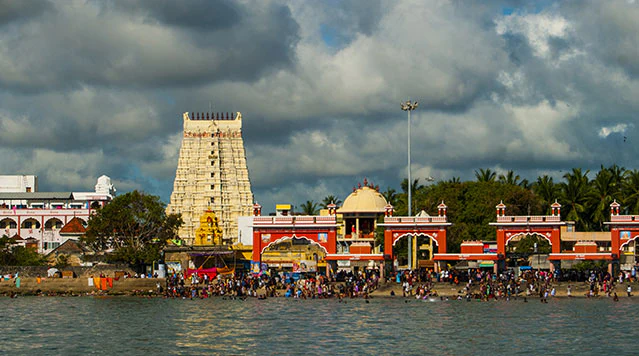


The Ramanathaswamy Temple's origins are shrouded in the mist of time, interwoven with legends and steeped in mythology. One popular legend narrates the tale of Lord Rama, the epic hero of the Ramayana. As Rama sought Shiva's blessings before his epic battle against the demon king Ravana, he instructed his consort Sita to create a lingam (representation of Shiva) from sand. This lingam, known as the Ramalingam, is believed to be enshrined within the temple's sanctum sanctorum.
Historical evidence suggests that the temple's construction likely began around the 12th century AD, with significant additions and renovations undertaken by various rulers over the centuries, particularly the Nayaka dynasty. The temple complex, a sprawling labyrinth of corridors and halls, reflects the architectural prowess of these bygone eras.
The Ramanathaswamy Temple is an architectural symphony, a mesmerizing blend of Dravidian and Mughal styles. As one enters the temple complex, towering gopurams (gateway towers) adorned with intricate carvings greets them. These gopurams, particularly the eastern gopura, are the tallest in South India, standing as silent sentinels guarding the sacred precincts.
Step inside, and prepare to be awestruck by the seemingly endless corridors, aptly named "The Longest Corridor in the World" by Guinness World Records. These corridors, lined with intricately carved pillars, house numerous Shiva lingams, each with its own story and significance. The intricate workmanship on the pillars and ceilings, depicting various deities and mythological scenes, transports you to a bygone era of artistic mastery.
The heart of the temple lies in the sanctum sanctorum, where the revered Ramalingam resides. Devotees throng to this inner sanctum to seek blessings and experience the temple's divine aura. Another noteworthy feature is the 22 sacred wells, collectively known as the "theerthams." These wells are believed to possess holy water, and bathing in them is considered a sacred act that purifies the body and soul.
The Ramanathaswamy Temple transcends the boundaries of a mere structure; it is a vibrant center of faith and devotion. Here's a glimpse into what makes this temple so significant:
Jyotirlinga Significance: Among the 12 revered Jyotirlingas (representations of Shiva's light) in India, the Ramanathaswamy Temple holds immense significance. Devotees believe that visiting this temple and performing darshan (holy viewing) of the Ramalingam brings immense spiritual merit and liberation.
Abode of Shiva and Parvati: The temple complex also houses a separate shrine dedicated to Goddess Parvati, known as the Parvathavardhini Amman Temple. Devotees visit this shrine to seek blessings for marital bliss, progeny, and overall well-being.
Revered by All Faiths: The Ramanathaswamy Temple transcends religious boundaries. Hindus, Muslims, and even Jains revere the temple's sanctity and visit it to offer prayers and seek blessings.
The Ramanathaswamy Temple pulsates with life throughout the year, hosting a vibrant array of festivals and adhering to daily rituals steeped in tradition. These observances not only showcase the temple's rich heritage but also offer devotees opportunities to connect with the divine and experience spiritual renewal.
Theertha Yatra (Pilgrimage to the Sacred Wells): This unique ritual is an intrinsic part of a visit to the Ramanathaswamy Temple. Devotees embark on a sacred walk, visiting each of the 22 theerthams (wells) within the temple complex. Each theertham is believed to possess unique healing properties and blessings. Devotees take a dip in these wells or perform ablutions, cleansing themselves and seeking spiritual purification. The walk itself, through the intricate corridors, becomes a meditative journey, culminating in a sense of peace and rejuvenation.
Ramanavami (Lord Rama's Birthday): This vibrant festival, celebrated across India, holds particular significance in Rameswaram. The temple comes alive with elaborate decorations, devotional songs, and special pujas (worship ceremonies) dedicated to Lord Rama. Processions carrying idols of Rama, Sita, Lakshmana, and Hanuman weave their way through the streets, attracting throngs of devotees eager to celebrate the birth of the epic hero.
Mahashivratri (The Great Night of Shiva): This auspicious festival, observed throughout India, is celebrated with immense fervor at the Ramanathaswamy Temple. Spread over ten days, the festivities involve elaborate pujas, night-long prayers, and cultural performances. Devotees throng the temple to witness the grand processions carrying the idols of Lord Shiva and Parvati, creating a mesmerizing spectacle of faith and devotion.
The daily rituals at the Ramanathaswamy Temple are a captivating blend of devotion and artistry. These rituals not only ensure the temple's sanctity but also provide devotees with opportunities to participate in the temple's spiritual life.
Mangala Aarthi (Morning Aarti): As the first rays of dawn kiss the temple walls, the Mangala Aarthi marks the beginning of the day. Temple priests perform a series of rituals, offering prayers, lighting lamps, and adorning the deities with fresh flowers. The chanting of hymns fills the air, creating a serene atmosphere that sets the tone for the day.
Abhishekam (Holy Bath): Throughout the day, various abhishekams are performed for the deities, Lord Shiva and Goddess Parvati. These abhishekams involve the use of sacred offerings like milk, curd, honey, panchamirtham (a mixture of five ingredients), and sacred herbs. Devotees believe that witnessing or participating in these abhishekams brings blessings, purifies the temple atmosphere, and grants wishes.
Sandhya Aarthi (Evening Aarti): As dusk descends, the temple reverberates with the chanting of hymns during the Sandhya Aarthi ceremony. Oil lamps are lit, and offerings are presented to the deities. This mesmerizing spectacle with flickering lamps and devotional chants creates a deeply spiritual and calming environment, marking the conclusion of the day's rituals.
The 22 theerthams within the Ramanathaswamy Temple complex hold immense spiritual significance for devotees. Each theertham is named after a mythological figure or a sacred river, imbuing them with a unique aura.
Devotees believe that bathing in these theerthams washes away sins, purifies the soul, and grants wishes. Legends narrate that these theerthams were created by Lord Rama himself, further enhancing their sacred status.
The walk through the corridors, visiting each theertham, becomes a symbolic journey, retracing the steps of Rama and seeking his blessings. The theerthams are not merely water bodies; they are portals to spiritual purification and rejuvenation.
The Ramanathaswamy Temple transcends the boundaries of brick and mortar. It is a living embodiment of India's rich cultural heritage, a vibrant center of faith, and a testament to the enduring power of human devotion.
As you step out of the temple complex, carrying with you the echoes of chants and the lingering fragrance of incense, you are left with a profound sense of peace and a deeper appreciation for the enduring legacy of this sacred space. The Ramanathaswamy Temple, bathed in the golden hues of the setting sun, stands as a beacon, not just for pilgrims but for all those seeking solace, spiritual awakening, and a connection to the divine.


Comments