

A Sanctuary Steeped in Legend and Lineage
- Prerona Sen
- Mar 30, 2024
- 5 min read

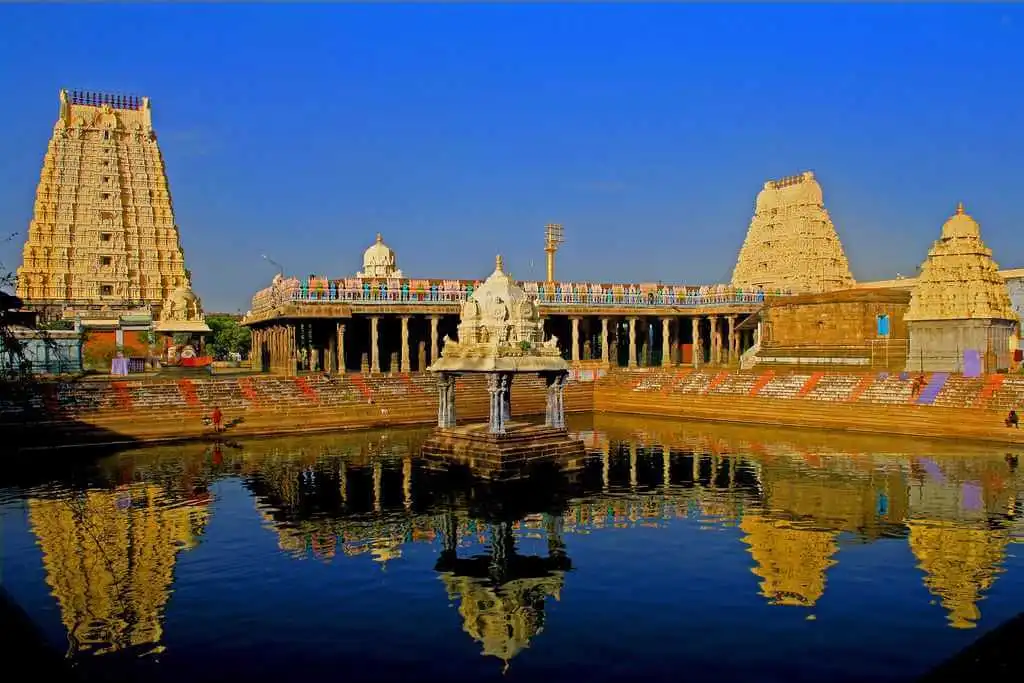


Amidst the bustling silk sarees and ancient temples of Kanchipuram, Tamil Nadu, lies the Ekambareswarar Temple. As the air hums with the chants of devotees and the fragrance of incense fills your senses, you stand before a monument that transcends time. This is not merely a place of worship; it's a captivating narrative carved in stone, a testament to the enduring legacy of South Indian temple architecture and a spiritual sanctuary for millions. Embark on a voyage of discovery as we delve into the temple's enchanting legends, explore its architectural grandeur, and unveil the significance it holds for devotees and history buffs alike.
Some captivating narratives that surround the temple's creation are:
The Mango Orchard and the Divine Intervention: One popular legend narrates the tale of Parvati, consort of Lord Shiva. Parvati, disguised as a young girl, is said to have planted a mango seed in the temple's location. The seed miraculously sprouted into a magnificent mango tree, its branches symbolizing the five elements – earth, water, fire, air, and ether. Pleased by this devotion, Lord Shiva is said to have manifested himself as the presiding deity, Ekambareswarar (meaning "Lord of the Mango Tree").
The Abode of Earth: The Ekambareswarar Temple holds immense significance as one of the Pancha Bhoota Sthalas (five element temples) dedicated to Lord Shiva. Each temple represents one of the five elements, and Ekambareswarar embodies the earth element (Prithvi). Devotees believe that worshipping here brings peace, prosperity, and a connection to the earth's life-giving energies.
A Lineage of Kings and Patrons: Historical evidence suggests that the temple complex has existed for centuries, with significant additions and renovations undertaken by various South Indian dynasties, particularly the Pallavas, Cholas, and Vijayanagara rulers. These dynasties not only patronized the temple but also contributed to its architectural evolution, creating the magnificent structure we see today.
The Ekambareswarar Temple complex is a sprawling labyrinth, each corner whispering tales of faith and artistic mastery. Let's embark on a virtual tour, exploring some of the most significant structures within the temple grounds:
The Towering Gopurams: As you approach the temple complex, four majestic gopurams (gateway towers) dominate the skyline. These ornately decorated towers, each a story high, serve as the temple's entrances and are considered architectural marvels. The southern gopuram, built by the Vijayanagara dynasty, is the tallest, reaching a staggering 58.5 meters (192 feet).
The Ekambareswarar Shrine: The heart of the temple complex is the Ekambareswarar shrine, dedicated to Lord Shiva as the presiding deity. The sanctum sanctorum houses a sacred lingam, a representation of Lord Shiva's formless form. Devotees throng this shrine to seek blessings for peace, prosperity, and a connection to the earth element.
The Aayiram Kaal Mandapam (Thousand-Pillared Hall): This magnificent hall, built during the Vijayanagara period, is a true testament to architectural ingenuity. As the name suggests, the hall is supported by a thousand intricately carved pillars, each depicting scenes from mythology or celestial beings. The hall serves as a venue for various rituals and religious gatherings.
The Halls of the Four Vedas: The temple complex houses four halls dedicated to the four Vedas, the ancient Hindu scriptures. These halls are adorned with sculptures and inscriptions related to Vedic knowledge, highlighting the temple's connection to scholarly pursuits.
The Shrine of Nilathingal Thundam Perumal: This shrine, dedicated to Lord Vishnu, lies within the Ekambareswarar Temple complex, showcasing the harmonious co-existence of Shiva and Vishnu worship in South India. The shrine is a popular pilgrimage destination for devotees seeking blessings from both deities.
The Ekambareswarar Temple is not merely a collection of structures; it's a visual manifestation of Hindu cosmology and philosophy. Here's a glimpse into the symbolism embedded within the temple's architecture:
The Gopurams: These towering gateways represent the journey of the soul towards the divine. The intricate carvings on the gopurams depict celestial beings, mythical creatures, and scenes from mythology, guiding devotees on their spiritual path.
The Lingam: The sacred lingam enshrined in the sanctum sanctorum represents Lord Shiva's formless, limitless form. Worshipping the lingam signifies the devotee's quest for self-realization and the merging of the individual soul with the ultimate reality.
The Thousand Pillars: The vast number of pillars in the Aayiram Kaal Mandapam symbolizes the multitude of paths leading to the divine. Each pillar is unique, signifying the diverse ways individuals can achieve spiritual enlightenment.
The Four Vedas Halls: The dedication of specific halls to the Vedas highlights the temple's role as a center of learning and spiritual knowledge. The carvings and inscriptions within these halls serve as visual reminders of the importance of Vedic wisdom.
The Ekambareswarar Temple pulsates with life throughout the year, a vibrant stage for diverse festivals and daily rituals. Here's a glimpse into some of the most significant celebrations:
The Shivaratri Festival: This annual festival, observed across India, holds immense significance at Ekambareswarar Temple. Devotees throng the temple complex for night-long prayers, offerings, and special pujas (worship rituals) dedicated to Lord Shiva. The temple is illuminated with lamps, creating a mesmerizing spectacle of devotion.
The Margழி Thingal: This unique festival, celebrated during the Tamil month of Margழி (December-January), involves the chanting of sacred hymns dedicated to Lord Shiva. The temple reverberates with the melodious chants, creating a serene and uplifting atmosphere.
The Thulabaram Ceremony: During this ceremony, devotees weigh themselves against offerings like rice, bananas, or gold. The offerings are then donated to the temple, signifying the dedication of one's material possessions to the divine.
Daily Rituals: The temple comes alive every day with a multitude of rituals performed by priests. These rituals include abhisUnveiling the Ekambareswarar Temple: A Sanctuary Steeped in Legend and Lineage. The Ekambareswarar Temple comes alive every day with a multitude of rituals performed by priests. These rituals, both elaborate and intimate, connect devotees to the divine and create a rhythm of sanctity within the temple complex: As one departs from the temple complex, the lingering fragrance of incense and the echoes of chants serve as a reminder of the profound spiritual and cultural experience this magnificent monument offers.
Abhisheka: This elaborate bathing ceremony is performed on the sacred lingam several times a day. Devotees believe that witnessing or participating in abhisheka washes away sins and brings blessings. Milk, curd, honey, and various sacred substances are used to bathe the lingam, creating a visually stunning and spiritually uplifting experience.
Aarti: Aarti is a fire puja (worship ritual) performed daily, where lit lamps are offered to the deity. The gentle swaying of the flames and the chanting of hymns create a mesmerizing spectacle, signifying the offering of light and devotion to Lord Shiva.
Special Offerings: Devotees offer various items to the deity, including flowers, fruits, and incense. These offerings symbolize gratitude, seeking blessings, or fulfilling specific vows made to Lord Shiva. The temple priests ensure the offerings are presented to the deity in a specific order and according to traditional rituals.
Temple Musicians: The rhythmic sounds of temple musicians playing traditional instruments like the nadaswaram (a type of oboe) and thavil (a drum) fill the temple complex throughout the day. This music is believed to create a sacred atmosphere, enhance concentration during prayer, and welcome devotees into the divine presence.


Comments