

Bihar
- Bharatatva Team
- Mar 4, 2024
- 2 min read
Blissful Bihar
Bihar, India
Known For : Heritage | Religious | Major Airports: Patna |
Ideal duration: 4 - 8 days | Best Time to Visit: October to March |
Tour Budget : ₹ 5,000/- Per person Onwards |












Overview
The land where the Buddha once lived, a land of monasteries - Bihar is visited by a considerable number of Buddhist followers as well as tourists of other faiths all through the year. Its association with Buddhism and Jainism makes it a must visit place for peace seekers, people who would like to get a feel of the tribal culture and experience life in the rural parts of India, and those who would like to get a glimpse of our glorious past.
Derived from the Sanskrit word 'Vihara', which means monastery, Bihar has a glorious heritage in the context of Indian history. Bihar is located in the eastern parts of India situated in the Gangetic plains, and it shares its borders with Uttar Pradesh in the West, Jharkhand in the South, West Bengal in the east, and Nepal in the North. The spiritual importance of Bihar comes from the fact that it is the place where the Buddha once lived and attained Nirvana. His footsteps can be traced through his teachings and the monuments which stand tall to this day, serving to guide people and show them the rightpath.Bihar is a blessed land as it was here under a Bodhi Tree that Prince Siddhartha meditated to attain enlightenment and came to be known as the Buddha. Bihar is a famous destination not just for Buddhists but also for Jains and Hindus. It is the amalgamation of religion, spirituality, history and education which makes the state one of its kind. While every city of Bihar has something to offer some of the major attractions are Bodh Gaya, Rajgir, Patna, Vaishali, Pawapuri and Nalanda.
Best time to visit Bihar
The summers can get scorching in Bihar, and this can severely limit outdoor activity. The best time to visit this state is after the monsoon and before summer during the months of October to March. However, since tourist destinations can get very crowded during this season, it as advisable to book all arrangements in advance to avoid last minute disappointment.
More about Best Time to Travel to Bihar
Bihar in Summer (March - June)
Bihar has a moderate to hot summer that begins in March and continues until June. The hottest month is May when temperatures can reach up to 50 degrees Celcius and these months are dry and dusty. Summertime winds of hot air called Loo that is common across Northern India also occur in Bihar. Apart from this, there are occasional dust storms in areas that are treeless though these do not cause any damage to property or life.
Bihar in Monsoon (July - September)
Summer is succeeded by monsoons in Bihar and the months of July to September are typically the wettest. Almost all areas receive plenty of rainfall because of the Himalayas to the North that break the South West Monsoon winds and cause rainfall on the windward side. Monsoon ends in September, but another event called the retreating monsoon is also seen in this state. During the months of late September to November, the returning monsoon may cause cyclones in the state, though they are usually minor and not very common.
Bihar in Winter (November - March)
Winter lasts from November to March and temperatures can go as low as zero degrees in some northern areas of the state. The initial months of winter are pleasant with daytime temperatures between 10 and 20 degrees Celcius while the night brings the sharp biting cold. December and January are the peak winter months and post sunset temperatures may dip to zero degrees.
Famous & Local Food of Bihar
Bihari cuisine is predominantly vegetarian because the traditional Bihar society, influenced by Buddhist and Hindu values of non-violence, did not consume eggs, chicken, fish and other animal products. However in recent years, there is a tradition of meat-eating, and fish dishes are especially typical due to the number of rivers in Bihar, such as the Sone, Gandak and Ganges.
Bihari cuisine spreads a little beyond Bihar to Jharkhand, Eastern Uttar Pradesh, Bangladesh, Nepal, Mauritius, Fiji, some cities of Pakistan, Guyana, and Trinidad and Tobago as these are the places where one can find several people from Bihar. There are also many Bihari meat dishes, with chicken and mutton being the most common. Common dairy foods including yoghurt known as Dahi as well as buttermilk known as mattha, ghee, lassi and butter are favourite. While Litti, Malpua, Sattu Paratha, Gol Gappa, Motichoor ke ladoo, Pakoda and a few more are the dishes with which the outside world identifies Bihar's Cuisine. You should also try the Sattu drink and the mutton curry if you're in Bihar anytime!
FAQs on Bihar
What are the popular art forms of Bihar?
Bihar has a rich history of civilisation, culture and religion and this has led to the evolution and blending of many styles of art. The most famous is undoubtedly the Madhubani style of painting from the Mithila region that dates back to the time of Ramayana. Figures from Hindu mythology are painted on handmade canvas using natural colours. The woodwork and wood carvings come from traditions dating back to the Mauryan period and are practised till today. Bamboo, Brass, zari, textile and lacquer work is also very well developed in Bihar, and the handicraft industry is an integral part of the state economy. Manjusa Art, folk art of Bhagalpur which shows the story in a sequential representation is displayed in a series is an ancient art form of the state. Tikuli art, pottery, Sujini embroidery, Sikki art, Khatwa applique and metal craft is also prevalent in Bihar.
Which are the ancient universities in Bihar?
Bihar has been a cradle of education since the Mauryan time, and that trend continues even today, with some of the most accomplished civil servants and educationists coming from Bihar. The famous Nalanda University, which was one of the largest and oldest universities in the world, was located in Bihar near present-day Patna. It had the biggest library of the ancient world and offered education in many subjects ranging from biological sciences to philosophy and commerce. This university is now being revived as a tourist destination and as a heritage site to be preserved. King Dharmapala established Vikramshila, another essential Buddhist learning centre in the country during the Pala Empire. It was then destroyed by Muhammad bin Bakhtiyar Khilji, the military general of Qutb al-Din Aibak and the ruins remain today in the Bhagalpur district of Bihar.
What are the major festivals celebrated in Bihar?
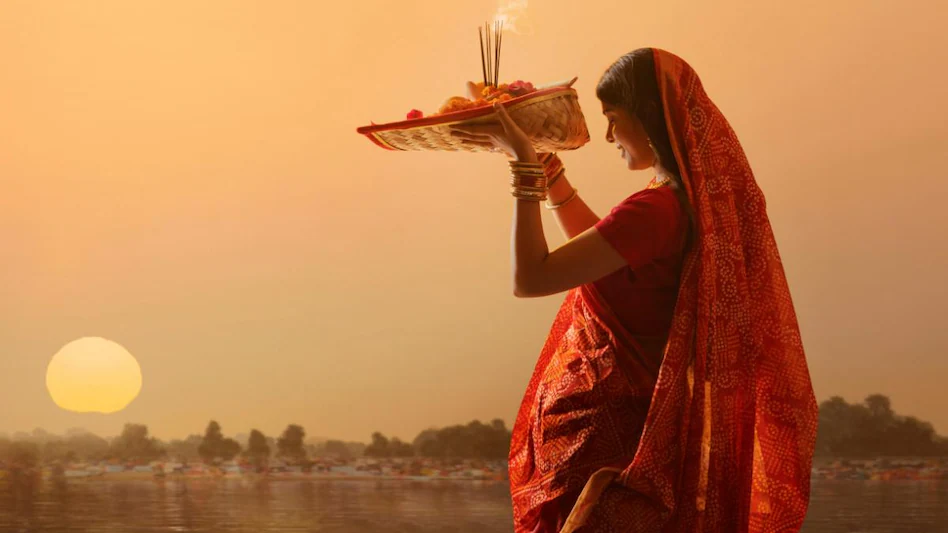
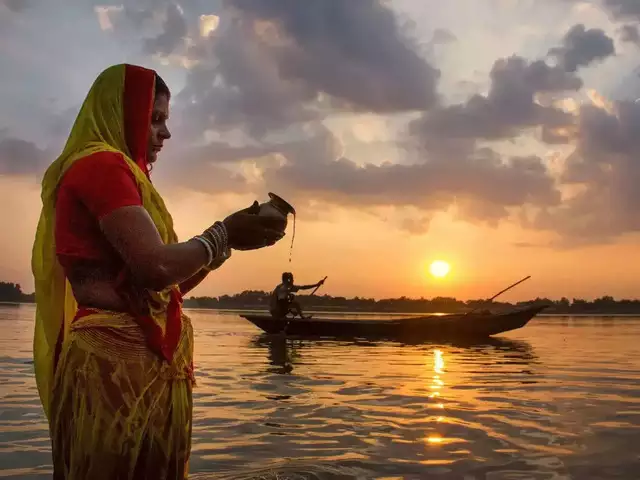
Bihar has a unique confluence of Hindu, Buddhist, Sikh, Islamic and local tribal traditions that are expressed in the way all the festivals are celebrated with great pomp and vigour. Chatt Puja is one of the most important festivals and entails fasting and cleansing rituals in the river Ganga. The final celebratory puja and procession are very colourful dedicated to the Sun God. The Sonepur cattle fair is another grand occasion that is a delight for tourists as cattle traders from all over the region gather to trade their animals and wares. It is the largest cattle fair in India and offers a unique insight into the rural life of India. All the main Buddhist festivals are celebrated with great enthusiasm in Gaya, and Buddhist devotees from all around the world come to visit during this time. The Pitrapaksh Mela and Mithila marriage market are other famous fairs in the state
What is the connection of Bihar with Buddhism?
Present day Bihar was the nerve centre of ancient India and was the hub of political, intellectual and philosophical activity. Buddha attained Nirvana here and also preached his doctrine in most of the major cities. Famous Buddhist sites include Bodhgaya where the Mahabodhi Temple and Mahabodhi tree are located. This temple was built in the 3rd century BC and has been declared a UNESCO World Heritage Site. The Nalanda and Vikramshila universities are sites of the refining and spread of Buddhist philosophy to various parts of the world and are currently being restored for their heritage value.
How are the local people of Bihar?
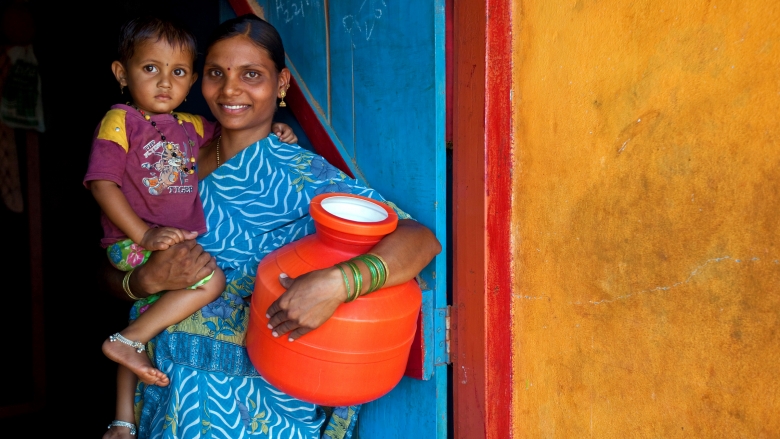
People of Bihar, commonly called the Biharis, are simple, hospitable and self-respecting people with well-developed political instincts and cultural sensibilities. Cloth paintings from Madhubani and Mithila, silk from Bhagalpur, cotton fabric handwoven in Patna and Bihar-Sharif, tribal crafts from the rich tribal belt of Jharkhand, baskets, and carpets woven in Obra in the Aurangabad district (Bihar) are the crafts that are still thriving in Bihar. A degree of anarchy prevails in the state despite its respect for education and its tolerance for religious diversity. Hinduism and Islam are the major religions followed by a significant number of people in Bihar. Hindi is the official language of Bihar. Local dialects include Bhojpuri, Bihari, Magahi and Maithili
What is the history of Bihar?
The current region of Bihar, because of its geographical location and climatic conditions, was the capital of many empires and hence saw a boom in economic, political and intellectual activity in ancient times. The Mauryan Empire was centred around Patliputra (Patna) and spread to almost all of India from here. After the 3rd century BC, this empire declined to give way to the Gupta Empire. The Sanskrit language attained its best form in Bihar, and many famous works like Abhijyanshakuntala were written in this state.
The Pala dynasty also made Patliputra their capital, but the importance of Bihar declined during the Medieval age as political activity shifted to Delhi. During the struggle for independence, the iconic Champaran Satyagrah, Gandhiji's first satyagraha in India took place in Bihar. Many prominent leaders of the freedom movement like Dr Rajendra Prasad, Jayaprakash Narayan, and Khudiram Bose emerged from Bihar. Currently, it has an imperative status in Indian politics because of its large population and adequate representation in the administrative and political cadres.
What is the landscape of Bihar?
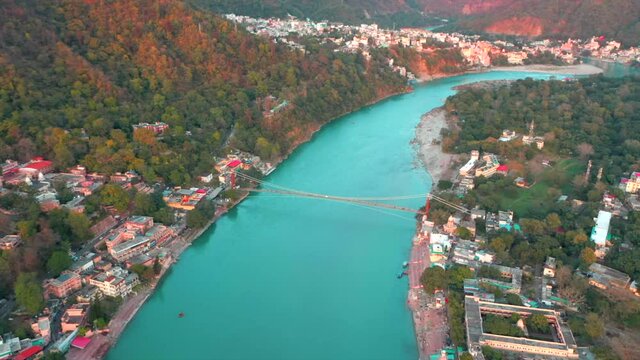
Bihar is a north Indian state located to the South of Nepal bordering other Indian states of Uttar Pradesh, West Bengal, Jharkhand and Madhya Pradesh. The land is flat, fertile and watered by many rivers including the Ganga and its tributaries like Kosi, Sarayu and Bhagmati. These rivers originate in the Himalayas and flow down to the foothills located in Bihar. Most of the rivers are perennial and significantly enhance the agricultural productivity of the state. Patna is the capital city, and Nalanda, Kushinagar, Muzzafarpur, Gaya and Vaishali are other major tourist and industrial cities.


Comments