

Ghoomar - A Whirling Symphony of Colors and Celebration
- Prerona Sen
- Mar 21, 2024
- 3 min read


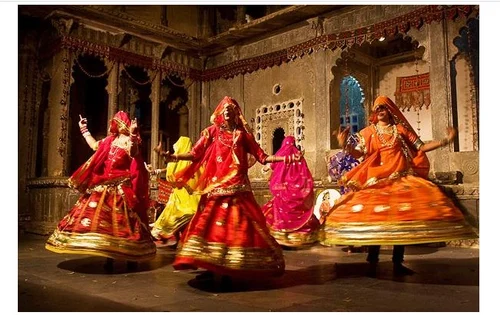
Ghoomar, a captivating folk dance form from Rajasthan, India, is a vibrant explosion of color, rhythm, and feminine energy. Traditionally performed by women during festive occasions and social gatherings, Ghoomar is more than just a dance; it's a celebration of life, community, and the enduring spirit of Rajasthan's rich cultural heritage. The exact origin of Ghoomar remains obscured by the mists of time. Some believe it traces its roots back to ancient nomadic communities who worshipped nature spirits. The circular movements of the dance are said to mimic the cyclical patterns of nature, with the twirling skirts symbolizing the swirling winds and the rhythmic steps echoing the heartbeat of the earth. Another theory suggests Ghoomar emerged during the Rajput era, a period marked by chivalry and valor. Women, restricted to the confines of their homes, found a space for self-expression through this dance. The swirling movements and vibrant attire are seen as a subtle rebellion against societal constraints, a celebration of feminine joy and freedom within the boundaries of tradition.
Ghoomar is a group dance, typically performed by women adorned in their most colorful attire. The quintessential Ghoomar dress, the Ghagra, is a long, flowing skirt with a multitude of pleats, creating a voluminous and visually stunning effect. The Ghagra is paired with a vibrantly colored choli and a dupatta that adds another layer of visual flair. As the dancers twirl, the Ghagras billow outwards, transforming them into a kaleidoscope of colors.
The heart of Ghoomar lies in its rhythmic movements. The dancers move in a circular pattern, their steps synchronized and graceful. The key step involves a gentle hop with a turn, the dupatta flowing outwards like a blooming flower. The synchronized movements create a mesmerizing spectacle, a captivating blend of fluidity and control.
The Ghoomar is not just a visual treat; it's an auditory experience as well. The dance is traditionally accompanied by the melodious tunes of the Phad (folk percussion instrument) and the soulful voices of the dancers themselves. Songs sung during Ghoomar performances can vary depending on the occasion. They can be playful folk songs celebrating love and life, devotional hymns honoring deities, or even ballads narrating stories of heroism and sacrifice. The call-and-response format between the singers and the dancers further amplifies the energy and creates a sense of shared storytelling.
Ghoomar transcends mere entertainment; it holds immense cultural significance in Rajasthan. Traditionally performed during festivals like Teej (monsoon festival) and Gangaur (celebrating marital bliss), the dance becomes a way to connect with nature, celebrate womanhood, and seek blessings for a happy married life.
The synchronized movements of the Ghoomar also foster a sense of community and belonging. As women come together to learn and perform the dance, they create a strong social bond that transcends age and social hierarchies. The shared experience fosters a sense of collective identity and strengthens the cultural fabric of Rajasthani society.
If you ever find yourself in Rajasthan during a festival or wedding celebration, witnessing a Ghoomar performance is a must. The vibrant colors, rhythmic beats, and infectious energy will leave you mesmerized. The synchronized movements and melodious songs will transport you to a world steeped in tradition and brimming with joy.
Ghoomar is more than just a dance; it's a vibrant tapestry woven with the threads of history, culture, and community.


Comments