

Happily giidy with Gidda
- Prerona Sen
- Mar 21, 2024
- 3 min read

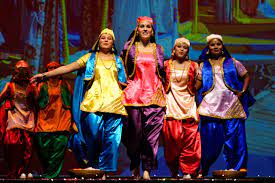
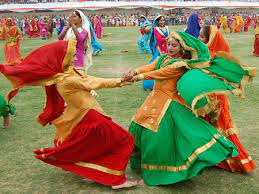
Amidst the fertile plains of Punjab, where the rhythm of life pulsates to the beat of the dhol, flourishes Giddha, a captivating folk dance form that celebrates womanhood, community, and the enduring spirit of Punjabi culture. More than just coordinated steps, Giddha is a vibrant tapestry woven with history, tradition, and a powerful expression of feminine joy. As colorful attires twirl, synchronized claps fill the air, and energetic dancers weave intricate patterns, let's delve into the captivating world of Giddha, exploring its origins, historical journey, and the profound significance it holds in Punjabi society.
Similar to its male counterpart, Bhangra, Giddha is believed to have emerged from the rituals and celebrations associated with agriculture. The cyclical nature of the dance, with dancers moving in circles and forming patterns, may represent the cycle of seasons and the importance of cultivating the land. Additionally, the joyous spirit of Giddha likely served as a way for women to express gratitude for bountiful harvests and celebrate the fertility of the land.
Giddha transcends the realm of mere entertainment; it's a powerful celebration of womanhood in a society that traditionally placed emphasis on male dominance. The vibrant costumes, often adorned with intricate embroidery and bold colors, stand as a testament to the beauty and strength of Punjabi women. The synchronized movements and rhythmic claps showcase their grace, coordination, and collective spirit. Giddha empowers women to express themselves freely, fostering a sense of camaraderie and shared identity.
While Giddha's origins likely lie in agrarian rituals, its significance has evolved over time. Today, the dance form is an integral part of Punjabi social celebrations, weddings, and particularly the vibrant Baisakhi festival. Baisakhi, marking the Sikh New Year and the harvest festival, transforms Punjab into a landscape of color and joyous revelry. Giddha becomes a centerpiece of these celebrations, with energetic performances showcasing the skill and artistry of female dancers. The spirit of competition adds another layer to the festivities, with villages vying for recognition through their captivating Giddha performances.
Giddha is a visual language, each movement imbued with meaning. The synchronized claps, known as "taalis," represent not only rhythm but also the collective spirit of the women. The circular formations, a recurring theme in Punjabi folk dances, symbolize the cyclical nature of life and the interconnectedness of the community. The vibrant costumes, often featuring rich colors and traditional jewelry, reflect the cultural heritage of Punjab and the pride the women take in their identity. Traditionally performed by women of all ages and backgrounds, Giddha transcends social barriers and fosters a sense of unity. During performances, women from different walks of life come together, celebrating their shared heritage and strengthening the bonds of community. Regardless of skill level, anyone can participate in the spirit of Giddha, clapping along to the rhythmic beats and appreciating the vibrant spectacle.
Like a living tradition, Giddha has constantly evolved, giving rise to various styles and variations across different regions of Punjab. Malwai Giddha, known for its fast-paced footwork and intricate hand movements, showcases the agility and skill of the dancers. Sialkoti Giddha, originating from the Sialkot region (now part of Pakistan), incorporates elements of Sufi poetry and storytelling, adding a unique layer of depth and cultural significance. Each variation adds a unique thread to the rich tapestry of Giddha.
The infectious energy and vibrant spirit of Giddha have transcended the borders of Punjab. Today, Giddha has found a global audience, captivating hearts and igniting stages worldwide. From energetic Giddha performances held in major cities to international cultural events showcasing Punjabi traditions, this vibrant dance form continues to enthrall audiences across the globe.
For those captivated by the rhythmic beats and synchronized movements of Giddha, numerous workshops and classes are available worldwide. Learning the basic steps and understanding the cultural significance of Giddha opens a window into a rich and vibrant tradition. Whether you participate in a local Baisakhi celebration or simply learn a few steps in a class, engaging with Gidda will definitely make you happy than ever.


Comments