

Where History Meets the Sea
- Prerona Sen
- Mar 30, 2024
- 4 min read


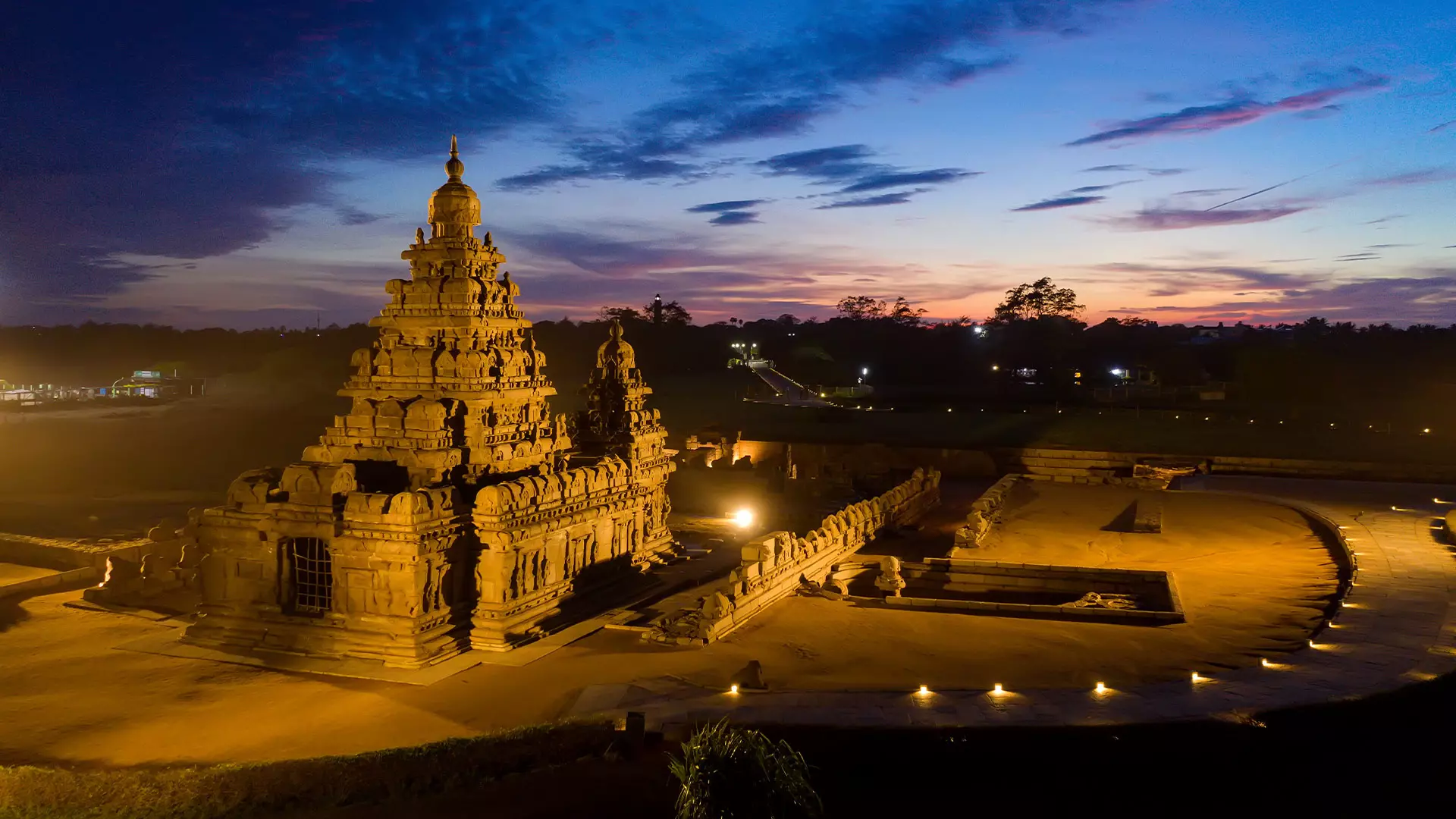
This is the Shore Temple, a captivating sentinel standing guard on the Coromandel Coast of Mahabalipuram, Tamil Nadu. As the waves lap against its ancient stones, the temple complex transports you to a time of artistic brilliance and profound spiritual significance. The Shore Temple is not just a historical monument; it's a captivating tapestry woven with threads of Pallava dynasty artistry, religious fervor, and the enduring power of nature. Embark on a voyage of discovery as we delve into the temple's fascinating history, explore its architectural marvels, and unveil the stories etched in its weathered facade.
The Shore Temple's origins are shrouded in a captivating blend of history and legend. Here's a glimpse into the narratives that surround this enigmatic monument:
The Pallava Dynasty's Legacy: Historical evidence suggests that the Shore Temple was built during the reign of the Pallava dynasty (7th-9th centuries AD), a period marked by immense artistic and architectural flourishment in South India. King Narasimhavarman II, also known as Rajasimha, is attributed to commissioning the temple's construction.
Facing the Fury of Nature: One popular legend narrates the tale of a wealthy merchant named Nandi who built a magnificent temple to appease Lord Shiva. However, jealous of his devotion, a rival merchant is said to have sought revenge. Through an act of trickery, he caused the temple to be submerged by the sea, leaving only the Shore Temple as a testament to Nandi's piety.
A UNESCO World Heritage Site: Today, the Shore Temple stands as a UNESCO World Heritage Site, recognized for its exceptional universal value and its enduring contribution to the cultural heritage of humanity.
The Shore Temple complex, though relatively small compared to other Dravidian temple sites, offers a captivating glimpse into Pallava era architecture and artistic expression. Here's a closer look at the key elements that define this monument:
The Central Shrine: The most prominent structure is the central shrine, a three-tiered pyramidal structure dedicated to Lord Shiva. Built with intricately carved granite blocks, the shrine features a square base that recedes upwards with each tier, culminating in a dome-shaped cupola. The meticulous carvings on the exterior depict celestial beings, mythical creatures, and scenes from Hindu mythology.
The Vishnu Shrine: Flanking the central Shiva shrine is a smaller structure dedicated to Lord Vishnu. Similar in style to the central shrine, the Vishnu shrine showcases exquisite carvings depicting scenes from Vaishnavism (worship of Vishnu) and various avatars of Vishnu.
The Mandapam (Pillared Hall): A small, mandapa (pillared hall) stands in front of the central Shiva shrine. Historians believe this structure may have served as a porch or an entrance hall for devotees. The mandapa features intricately carved pillars and a relatively simple design compared to the ornate shrines.
The Nandi Mandapam (Nandi Pavilion): Though no longer standing, historical records mention the presence of a Nandi mandapam dedicated to the sacred bull, Nandi, the mount of Lord Shiva. This structure may have been located near the shore, possibly serving as an offering point for devotees.
The Shore Temple is more than just aesthetically pleasing; it's a visual representation of Hindu cosmology and philosophy. Here's a glimpse into the symbolism embedded within its architecture:
Facing the East: The central shrine's eastward orientation is significant. In Hinduism, the east is considered the direction of sunrise, symbolizing new beginnings and spiritual awakening. By positioning the shrine facing east, the builders ensured that the first rays of the sun would illuminate the sanctum sanctorum, signifying the divine's presence.
The Trimurti Representation: The presence of both Shiva and Vishnu shrines within the complex suggests the concept of Trimurti, the three supreme deities in Hinduism – Brahma, Vishnu, and Shiva. While the Shore Temple primarily focuses on Shiva and Vishnu, it acknowledges the interconnectedness of the divine through their presence within the complex.
The Celestial Guardians: The intricate carvings of celestial beings and mythical creatures on the temple walls serve as Dvarapalas (guardians). These figures are believed to protect the sanctum sanctorum from negative energies and ensure the sanctity of the space.
The Ocean's Embrace: The Shore Temple's location on the coast holds symbolic meaning as well. The ocean, in Hinduism, represents the cycle of creation and destruction. By building the temple facing the sea, the Pallava architects might have intended to signify the temple's enduring presence amidst the ever-changing world.
Understanding these symbols allows us to appreciate the Shore Temple not just as a historical monument but as a profound spiritual and philosophical experience.
Leaving the Shore Temple complex, the saline breeze bears echoes of crashing waves and murmurs of ancient tales. Illuminated by the setting sun's golden glow, this monument stands as a steadfast guardian, symbolizing the timeless resilience of human ingenuity and reverence.
The Shore Temple is more than just a tourist destination; it's a place that ignites curiosity, fosters a sense of wonder, and compels us to reflect on the past, present, and future. It's a call to appreciate our heritage, protect our cultural treasures, and continue to create art that transcends time and inspires generations to come. As you take your leave from the Shore Temple, allow its weathered exterior and compelling narrative to remain etched in your mind—a testament to the enduring ingenuity of humanity and the deep importance of safeguarding our history for future generations.


Comments