

Jhooming with Jhumar
- Prerona Sen
- Mar 21, 2024
- 2 min read

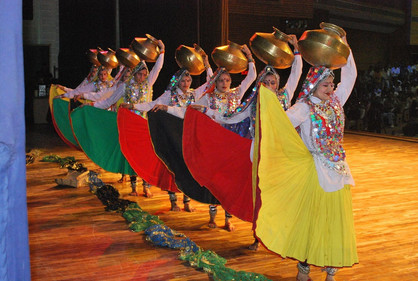


The Jhumar, also known as the Hariyanvi Gidda, is a captivating folk dance form that bursts with the colors and energy of Haryana, India. Performed primarily by women, it's a vibrant tapestry woven with rhythmic footwork, lively music, and playful camaraderie. This blog post delves into the rich history, cultural significance, and captivating essence of the Jhumar dance.
It has roots in the Baloch and Sufi traditions of regions like Balochistan and Multan, eventually finding its way into Haryana through cultural exchange. It might have also evolved organically within the state itself, reflecting the local customs and celebrations.
Traditionally, it was performed by young, married women during social gatherings and festivals. These gatherings provided a space for women to express themselves, celebrate milestones, and foster a strong sense of community. Over time, the dance transcended its social boundaries and is now performed by women of all ages, not just those who are married.
The Jhumar is a group dance, typically performed by a circle of women dressed in their most vibrant attire. Colorful ghagras (long, pleated skirts), ornate kurtas (tunics), and dupattas (scarves) create a dazzling visual spectacle. The dancers move in unison, their steps often replicating everyday activities like pounding grain or drawing water from wells. The rhythmic clapping of hands and the clinking of ornaments like ghungroos (ankle bells) add to the dynamic soundscape.
The heart of the Jhumar lies in its music. Traditionally accompanied by the dhol (drum), dholak (hand drum), and chimta (percussion instrument), the music often incorporates playful and teasing songs. These songs, sung by the dancers themselves, can be about love, social commentary, or simply the joy of celebration. The call-and-response format between the singers and the dancers further amplifies the energy and creates a sense of interactive storytelling.
The Jhumar is more than just a dance; it's a vibrant expression of Haryanvi culture. It embodies the region's spirit of celebration, community, and resilience. The songs and steps often depict stories passed down through generations, keeping traditions alive.
The dance also serves as a platform for social commentary. Jhumar songs can address issues faced by women, celebrate female strength, and even playfully challenge societal norms. In a society where women have traditionally faced limitations, the Jhumar becomes a powerful tool for self-expression and empowerment. Modern adaptations of this dance form incorporate contemporary music and choreography, keeping the dance relevant for younger generations. This evolution ensures that the Jhumar stays true to its core spirit of celebration while adapting to contemporary sensibilities.
If you ever find yourself in Haryana during a festival or celebration, witnessing a Jhumar performance is a must. The vibrant colors, rhythmic beats, and infectious energy will leave you mesmerized. The joyful spirit of the dance is truly contagious, inviting you to join the circle and celebrate life in all its vibrancy. The Jhumar dance is a testament to the enduring power of folk traditions. It's a vibrant celebration of life, community, and the indomitable spirit of women. As long as there are celebrations to be had and stories to be told, the Jhumar will continue to captivate audiences for generations to come.


Comments