

Lavani Beats: A Symphony of Tradition
- Prerona Sen
- Mar 16, 2024
- 3 min read


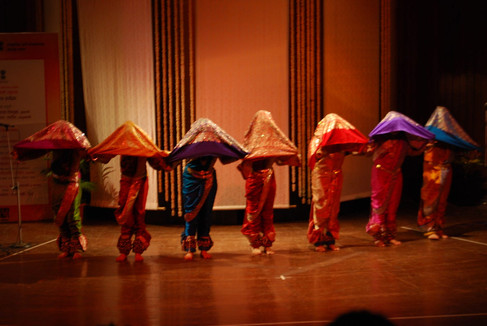

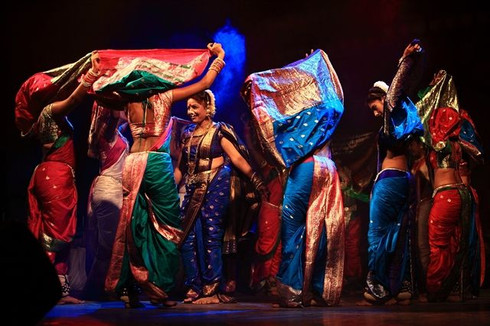
Amidst the mesmerizing world of Indian dance traditions, Lavani pulsates with a unique blend of sensuality, storytelling, and vibrant theatricality. This dynamic dance, originating in Maharashtra, India, is more than just graceful movements and rhythmic beats. It's a captivating narrative tapestry, woven with elements of folklore, social commentary, and a hint of playful romanticism.
Fascinating theories abound, each offering a glimpse into its fascinating past. Some believe Lavani emerged from an ancient Marathi folk dance called "Tamasha," known for its vibrant costumes, playful movements, and social themes. Yet another theory traces Lavani's roots to temple performances dedicated to deities like Bhavani. These performances, with their evocative music and storytelling elements, might have evolved into the more theatrical Lavani form we see today.
Traditionally, Lavani was performed solo by female dancers, known as "Lavani queens," or "Lavani wachis." These dancers were not merely entertainers; they were storytellers, weaving tales of love, loss, social issues, and mythological narratives through their expressive movements and captivating performances. Lavani performances were often held during festivals and celebrations, captivating audiences with their energy and vibrancy.
The 20th century witnessed a significant transformation in Lavani. It found its way onto the Marathi stage, becoming an integral part of Marathi theater and cinema. Lavani songs became popular staples in movies, further propelling the dance form into the spotlight. However, this shift also led to a certain degree of commoditization, with some performances focusing more on visual spectacle than the traditional storytelling essence.
Despite these changes, Lavani's core essence – its captivating narratives, vibrant costumes, and powerful female representation – continues to enthrall audiences. Today, Lavani flourishes in various forms, from traditional solo performances to contemporary adaptations that incorporate modern music and theatrical elements.
Lavani is a powerful medium for storytelling. Through evocative dance, captivating music, and expressive gestures, Lavani performers narrate tales from mythology, folklore, and even contemporary social issues, keeping these stories alive for generations. It has also been a platform for female expression and empowerment. Lavani queens captivated audiences with their talent and artistry, challenging societal norms and carving a space for themselves in the male-dominated world of performance. Lavani serves as a vibrant link to Marathi culture and heritage. The costumes, music, and themes employed in Lavani performances reflect the social fabric and artistic traditions of Maharashtra. It has never shied away from addressing social issues. Lavani performances have tackled themes like gender inequality, social injustice, and political commentary, sparking conversations and raising awareness.
Lavani is a dynamic art form, constantly evolving with time. While staying true to its roots, it allows for contemporary interpretations and innovations. This adaptability ensures its continued relevance in today's world.
This dance isn't just about graceful steps; it is about storytelling through body language and facial expressions. The dancers enact narratives, conveying a range of emotions – from playful flirtation to deep sorrow – through their artistry. This evocative storytelling is a hallmark of Lavani, leaving a lasting impression on the audience.
Lavani's captivating blend of storytelling, vibrant theatricality, and social commentary ensures its lasting legacy. Today, Lavani finds itself at an exciting crossroads. It continues to be performed in its traditional solo form, keeping the storytelling essence alive.
Concurrently, Lavani is embracing contemporary influences. Lavani choreography is being incorporated into Bollywood dance numbers, while modern music is finding its way into Lavani compositions. This adaptability ensures Lavani's relevance for younger generations, attracting new audiences while staying true to its rich heritage. As Lavani continues to evolve, one thing remains certain: its captivating power to enthrall audiences


Comments