

The Surreal Grace of Odissi
- Prerona Sen
- Mar 14, 2024
- 2 min read

Originating from the serene landscapes of the state of Odisha, odissi is a captivating classical dance form that embodies centuries of tradition, spirituality, and cultural heritage. With its graceful movements, intricate footwork, and expressive storytelling, odissi mesmerizes audiences worldwide, transporting them to a realm of divine beauty and enchantment.


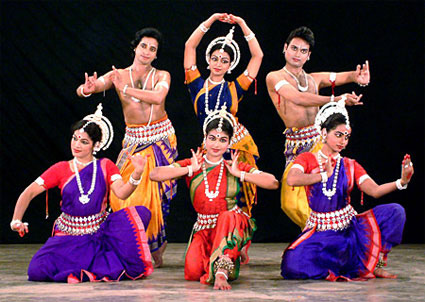

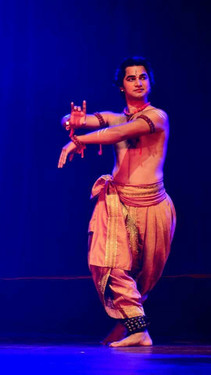
The roots of odissi dance can be traced back to the ancient temples of Odisha, where it was nurtured and refined as a sacred form of worship. Influenced by the sculptures adorning temple walls, odissi evolved over the centuries, blending elements of music, poetry, drama, and ritualistic gestures. It flourished during the rule of the Ganga dynasty in the 11th century, finding expression in religious ceremonies and cultural festivities.
Odissi is set apart with its emphasis on fluidity, grace, and intricate movements that mimic the motions of nature, particularly the sway of trees and the flow of rivers. The dance form is characterized by its tribhangi posture, where the body is gracefully bent in three places – the head, torso, and knee. This distinctive posture, along with the use of mudras and abhinaya, enables dancers to convey a myriad of emotions and narratives with captivating precision and depth.
Odissi is deeply rooted in mythology, folklore, and classical literature, with many of its compositions drawing inspiration from the epic tales of the Mahabharata, Ramayana, and the love stories of Radha and Krishna. Through intricate choreography and evocative storytelling, dancers weave together tales of love, devotion, and divine union, captivating audiences with their emotive performances.
In the 20th century, odissi experienced a resurgence, thanks to the efforts of visionary artists and scholars who worked tirelessly to preserve and promote this ancient art form. Pioneers such as Guru Kelucharan Mohapatra and Guru Debaprasad Das played pivotal roles in refining odissi technique and repertoire, ensuring its continued relevance and vitality in the modern world. Today, odissi enjoys recognition as one of India's eight classical dance forms, celebrated for its timeless beauty and cultural significance.
In recent years, odissi has transcended geographical barriers, captivating audiences on international stages and fostering cross-cultural exchange and appreciation. Dancers from around the world are now drawn to the enchanting rhythms and expressive storytelling of odissi, embracing it as a means of artistic expression and spiritual exploration. Through workshops, performances, and collaborations, odissi continues to inspire and enrich lives across continents, fostering a deeper understanding and appreciation of Indian culture and heritage.
In a world marked by constant change and flux, odissi dance stands as a timeless testament to the enduring power of tradition, beauty, and spirituality. From its humble origins in the temple courtyards of Odisha to its global prominence on the world stage, odissi continues to enchant and inspire, bridging the gap between past and present, East and West. As we celebrate the rich legacy and exquisite artistry of Odissi, let us be grateful to all those who have preserved and nurtured this ancient dance form, ensuring that its light continues to shine brightly for generations to come.


Comments