

The Theatrical Grandeur of Kathakali
- Prerona Sen
- Mar 7, 2024
- 2 min read

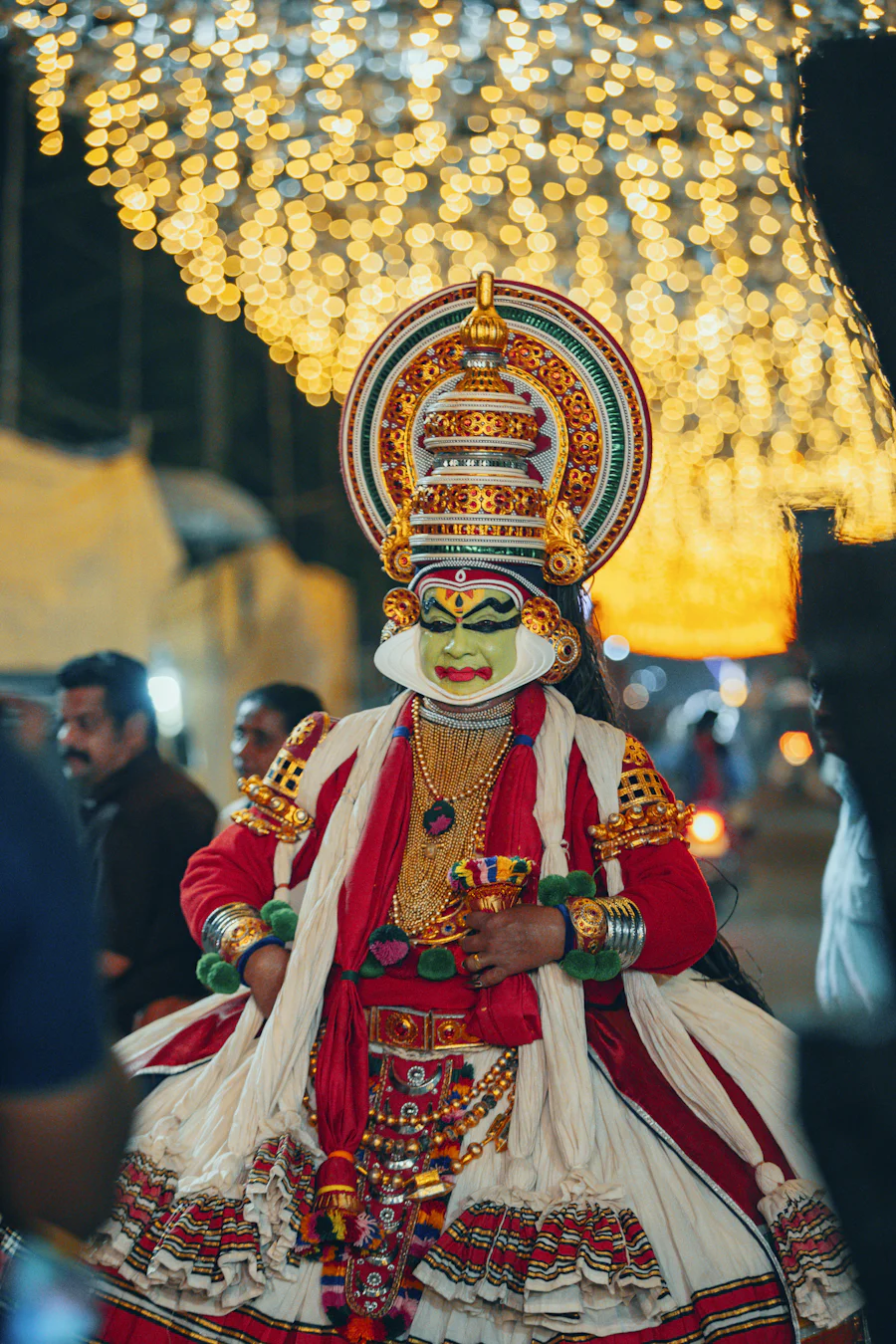
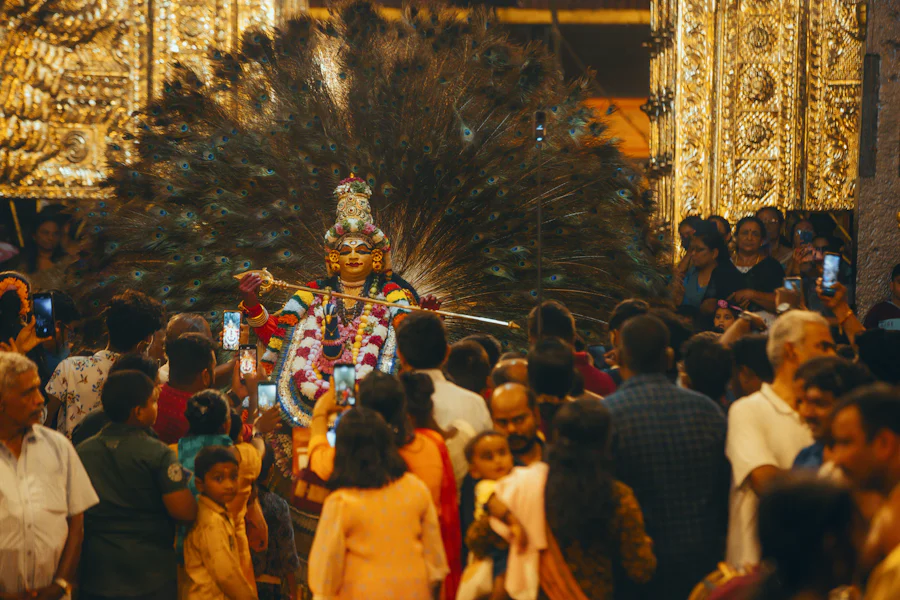
Kathakali is a vibrant and expressive classical dance-drama form that originated in the southwestern Indian state of Kerala. It is known for its elaborate costumes, dramatic storytelling, and expressive movements. The word "Kathakali" comes from the Malayalam words "katha" (meaning "story") and "kali" (meaning "play"). As the name suggests, Kathakali performances tell stories, often from Hindu epics like the Ramayana and Mahabharata. These stories are enacted through a combination of dance, music, and elaborate costumes and makeup.
Kathakali dates back to the 17th century and has its roots in ancient Sanskrit texts and classical dance forms.
It evolved from Kutiyattam, a classical dance-drama form of Kerala.
Over the centuries, Kathakali has been shaped by various influences, including regional folk traditions and martial arts.
Kathakali techniques mostly include three elements, namely: Nritya, Natya and Sangeet.
Hand gestures, called mudras, form the core of Kathakali's storytelling. These stylized movements represent various objects, animals, and even emotions. Dancers use their hands and fingers to narrate the story, making it visually comprehensible even without spoken words. Added to this, this dance form’s footwork is characterized by complex rhythmic patterns and powerful strides. Dancers wear distinctive wooden slippers with small bells attached, creating a rhythmic accompaniment to the music. Kathakali dancers employ dramatic eye movements and facial expressions to depict a wide range of emotions, from love and joy to anger and fear. These expressions, along with mudras and body language, effectively convey the story's essence.
Kathakali performances are incomplete without the vocalists who narrate the story and sing verses from the epics or plays being enacted. The singing style, known as Sopanam, adds another layer of depth and emotion to the performance. The rhythmic beats of percussion instruments like the chenda and maddalam provide the foundation for the dance and create a sense of energy and excitement. These instruments also help in creating dramatic effects and highlighting specific moments in the story.
Kathakali occupies a significant place in Indian culture for several reasons. It draws from the deeply enshrined Hindu epics like the Ramayana and Mahabharata, bringing to life ancient tales of gods, demons, and heroes.Also, its powerful storytelling combines expressive dance, elaborate costumes and makeup, vocal performance, and rhythmic drumming to create a captivating theatrical experience.
Kathakali keeps alive ancient performance traditions from Southern India, including elements of ritualistic performance and martial arts.This stylized and devotional dance-drama has become intrinsically linked to the cultural identity of Kerala and India as a whole.
Kathakali transcends borders with its universal portrayal of good versus evil, drawing admirers from around the world.
Summing it all up, Kathakali’s unique blend of artistry, mythology, and cultural significance makes it a cherished and essential part of India's rich heritage.


Comments